
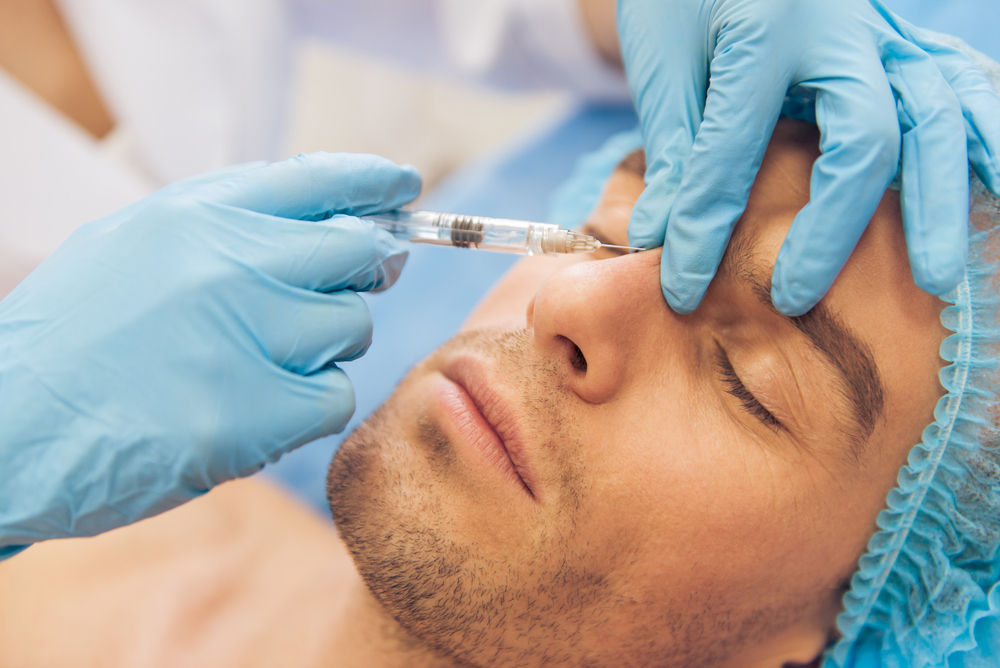
Entertainment and Media: Celebrities, actors, models, and other individuals in the entertainment and media industries often seek plastic surgery to enhance their appearance and maintain a competitive edge in their careers. The pressure to look youthful and attractive in front of the camera can drive individuals in this industry to pursue cosmetic procedures.
What they want:
- Maintain a youthful, camera-ready appearance, address specific features for roles, and correct imperfections magnified by high-definition media.
- Messaging: Subtle enhancements, quick recovery procedures, maintaining a natural look but maximizing on-screen presence.

Beauty and Fashion: Professionals working in the beauty and fashion industries, including makeup artists, stylists, fashion designers, and beauty influencers, may be particularly interested in plastic surgery as a means of enhancing their appearance and staying on-trend. These individuals often prioritize aesthetics and may view plastic surgery as a valuable investment in their personal brand.
- What they want: To stay competitive in an image-obsessed industry, embody the beauty standards they promote, and enhance features to showcase products better.
- Messaging: Focus on procedures that enhance beauty trends and cutting-edge techniques, aligning their appearance with their brand.
Healthcare and Wellness: Within the healthcare and wellness industries, there is a growing interest in cosmetic procedures among both providers and consumers. Plastic surgery clinics, medical spas, and wellness centers may attract healthcare professionals and individuals interested in maintaining a healthy and youthful appearance through surgical and non-surgical treatments.
- What they want: Compassionate care for reconstructive needs and procedures that enhance patients’ self-image.
- Messaging: Highlight the transformative power of plastic surgery and emphasize collaboration between surgeons and wellness practitioners.
Technology and Innovation: Individuals working in the technology and innovation sectors, such as entrepreneurs, executives, and professionals in Silicon Valley and other tech hubs, may be highly interested in plastic surgery. The fast-paced and competitive nature of these industries, coupled with a focus on personal image and self-presentation, can drive individuals to seek cosmetic enhancements.
- What they want: They want to embrace cutting-edge procedures and maintain a youthful and energetic appearance to match their innovative spirit. They want to appear visionary and capable.
- Messaging: Emphasize the latest, minimally invasive techniques with quick recovery times. Focus on enhancing energy levels and confidence projected through their appearance. Highlight the parallels between innovation in their field and advancements in cosmetic surgery.
High-Profile Professions: Certain high-profile professions, such as politics, law, finance, and real estate, may attract individuals who prioritize appearance and presentation. Executives, attorneys, politicians, and other professionals in these fields may undergo plastic surgery to maintain a polished and authoritative image in their careers.
- What they want: Project confidence, authority, and a polished image.
- Messaging: Non-invasive or subtle procedures for a refreshed look, enhancing features that convey trustworthiness and competence.
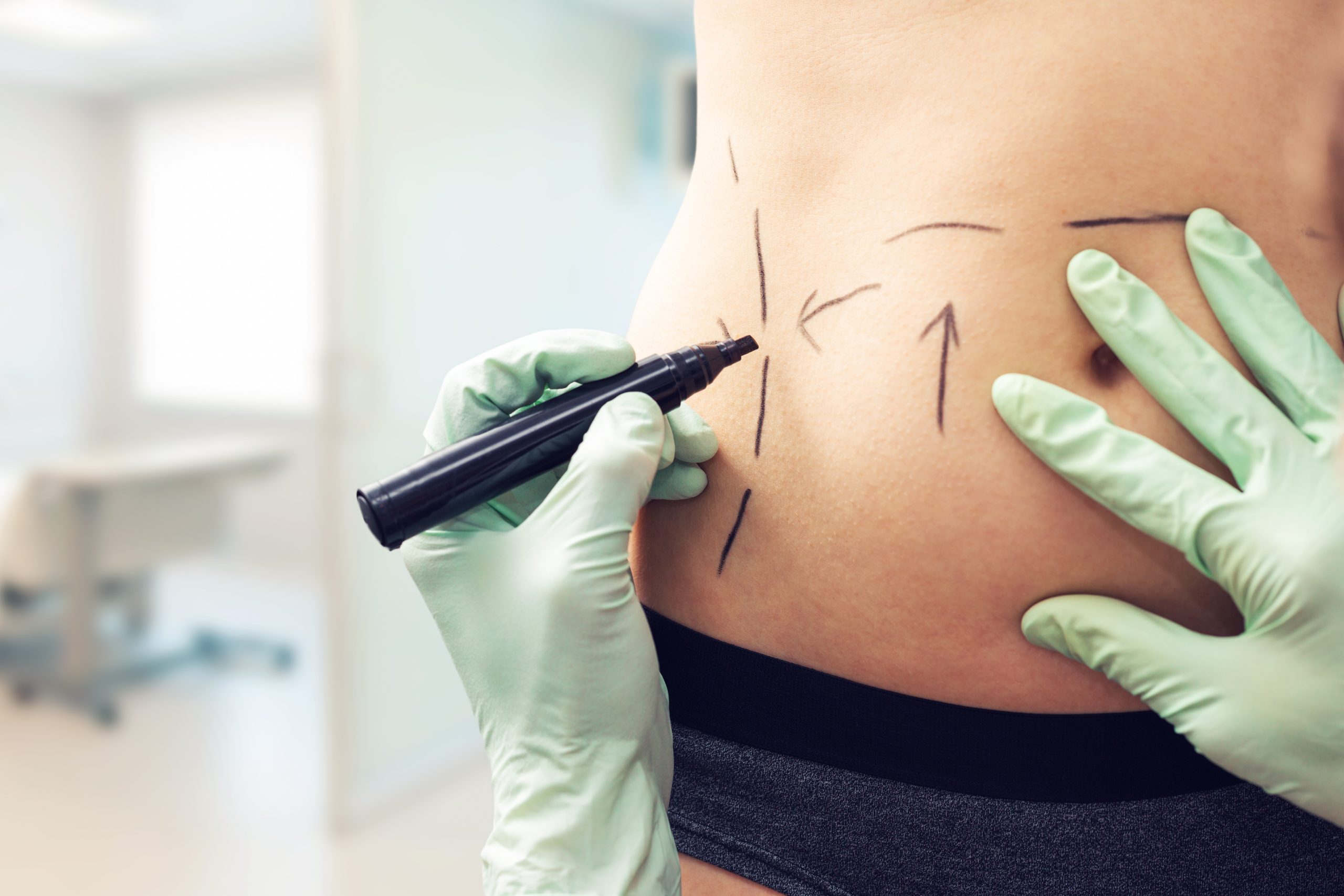
Fitness and Athletics: Athletes, fitness instructors, bodybuilders, and individuals involved in the fitness and athletics industries may be interested in plastic surgery to achieve aesthetic improvements that complement their physique and enhance their performance. Individuals in this industry commonly seek procedures such as liposuction, breast augmentation, and abdominoplasty.
- What they want: Body contouring for optimal aesthetics and performance, address injuries impacting appearance.
- Messaging: Emphasize procedures that boost athleticism and quick recovery for competition and highlight the body as a tool.
Hospitality and Service: Professionals working in the hospitality and service industries, including hoteliers, restaurateurs, and event planners, may prioritize appearance and presentation as part of their job requirements. Plastic surgery can be viewed as a way to maintain a youthful and attractive appearance that aligns with the demands of their profession.
- What they want: A friendly, approachable, and well-groomed appearance.
- Messaging: Non-invasive treatments for rejuvenation, procedures that enhance a welcoming smile and boost personal confidence.
Education: Educators, administrators, and academics may have an interest in plastic surgery, particularly those involved in fields related to psychology, sociology, and human behavior. Understanding the motivations and effects of cosmetic procedures can be relevant to teaching, research, and counseling.
- What they want: Seek a deeper understanding of the psychological and social aspects of appearance and modification. Look to use this information responsibly to guide students or support those struggling with body image issues.
- Messaging: Position plastic surgery as an area of study within a larger discussion of societal standards, self-perception, and personal transformation. Frame it as a tool that can both harm and empower, depending on motivations and its use in conjunction with counseling and support.
Marketing and Advertising: Marketing, advertising, and branding professionals may be intrigued by the ways in which plastic surgery influences consumer behavior, perception, and messaging. They may study trends in cosmetic procedures to inform marketing strategies and campaigns.
- What they want: Embody the vitality and success they promote for clients and look the part of a trendsetter.
- Messaging: Align appearance with industry image, emphasize cutting-edge or innovative procedures, highlight confidence-boosting results
Journalism and Media: Journalists, reporters, and media professionals may cover stories related to plastic surgery, including trends, controversies, and advancements in the field. Investigative journalists may delve into topics such as patient safety, ethical considerations, and industry regulations.
- What they want: Access to reliable information, data, and experts for accurate and impactful reporting. Uncover ethical dilemmas and potential patient risks.
- Messaging: Highlight your commitment to transparency, patient safety, and evidence-based practices. Offer patient testimonials (with strict confidentiality) for human-interest stories. Be a resource for journalists seeking balanced, non-sensational reporting.
Human Resources and Recruitment: Human resources professionals and recruiters may consider the impact of physical appearance on job candidacy, workplace dynamics, and employee morale. They may also address issues related to discrimination, bias, and diversity in the context of cosmetic procedures.
- What they want: To ensure fair and inclusive hiring practices and maintain a focus on qualifications and merit. Develop a proactive understanding of how appearance bias might influence decisions.
- Messaging: Emphasize the importance of assessing candidates holistically. Offer educational resources or workshops (developed in collaboration with experts) for HR teams on the potential for unconscious bias and strategies to mitigate it.
Counseling and Therapy: Mental health professionals, including psychologists, counselors, and therapists, may encounter clients who have undergone or are considering plastic surgery. They may explore the psychological, emotional, and social factors surrounding body image, self-esteem, and identity.
- What they want: Appear approachable and trustworthy, utilize plastic surgery to boost confidence in their role as helpers.
- Messaging: Focus on subtle enhancements for a refreshed look, promote the connection between self-image and mental well-being
Religious and Spiritual Leadership: Religious leaders, spiritual advisors, and counselors may engage in discussions about the ethical, moral, and spiritual implications of plastic surgery within their communities. They may offer guidance on issues such as vanity, self-acceptance, and societal pressures.
- What they want: Access to information that allows them to provide balanced guidance to their communities, addressing both potential benefits and ethical concerns regarding plastic surgery.
- Messaging: Highlight the distinction between medically necessary procedures for health reasons vs. purely cosmetic choices.
- Instead of promoting procedures, frame your practice as a potential resource for those struggling with the psychological and spiritual aspects of body image and self-acceptance.
- Collaborate with spiritual leaders for open dialogues on vanity, materialism, and finding inner beauty.
Legal and Ethical Fields: Legal professionals, ethicists, and policymakers may analyze the legal and ethical dimensions of plastic surgery, including informed consent, patient rights, medical malpractice, and regulatory frameworks. They may advocate for legislative reforms or provide expert testimony in related cases.
- What they want: A deep understanding of the legal landscape, potential ethical pitfalls, and patients’ rights to make informed decisions.
- Messaging: Emphasize your rigorous adherence to ethical guidelines and informed consent procedures.
- Offer yourself as a resource for legal professionals seeking expert testimony or consulting on cosmetic surgery law.
- Position yourself as a leader in shaping best practices within the plastic surgery industry.
Social Work and Advocacy: Social workers, activists, and advocates may work with individuals who have undergone plastic surgery or experienced body dysmorphia, social stigma, or discrimination. They may advocate for inclusivity, body positivity, and mental health support services.
- What they want: Collaboration with surgeons who understand the importance of mental health support and can provide compassionate care to address the root causes of body dysmorphia and dissatisfaction.
- Messaging: Highlight your pre- and post-operative counseling services.
- Emphasize your holistic approach to patient care, focusing on overall well-being, not just appearances.
- Partner with advocacy groups on educational resources or campaigns promoting body positivity and self-acceptance.
Art and Design: Artists, designers, and creatives may explore themes of beauty, identity, and transformation through their work, which may intersect with concepts related to plastic surgery. They may critique or celebrate societal norms of beauty and challenge conventional representations of the human body.
- What they want: Inspiration, a willingness to collaborate on conceptual projects, and perhaps serve as a subject or model in works questioning conventional beauty standards.
- Messaging: Showcase before-and-after photos that focus on the transformative power of your work while not shying away from beauty’s constructed nature.
- Position yourself as interested in exploring themes of the human form, medical aesthetics, and the intersection of art and science.
- Be open to artistic interpretations of plastic surgery – even potentially critical ones.
Military and Defense: Military personnel, veterans, and defense professionals may have an interest in reconstructive surgery, particularly in the context of traumatic injuries, burns, and combat-related conditions. Plastic surgery techniques can play a crucial role in restoring function and appearance for individuals in these populations.
- What they want: Expertise in complex reconstructive procedures, surgeons who understand the unique physical and psychological needs of these populations.
- Messaging: Highlight your experience and success in restorative surgeries and work with injured veterans.
- Emphasize sensitivity and dedication to restoring both function and self-image.
- Frame your work as part of the larger mission of providing comprehensive care for those who have served.